




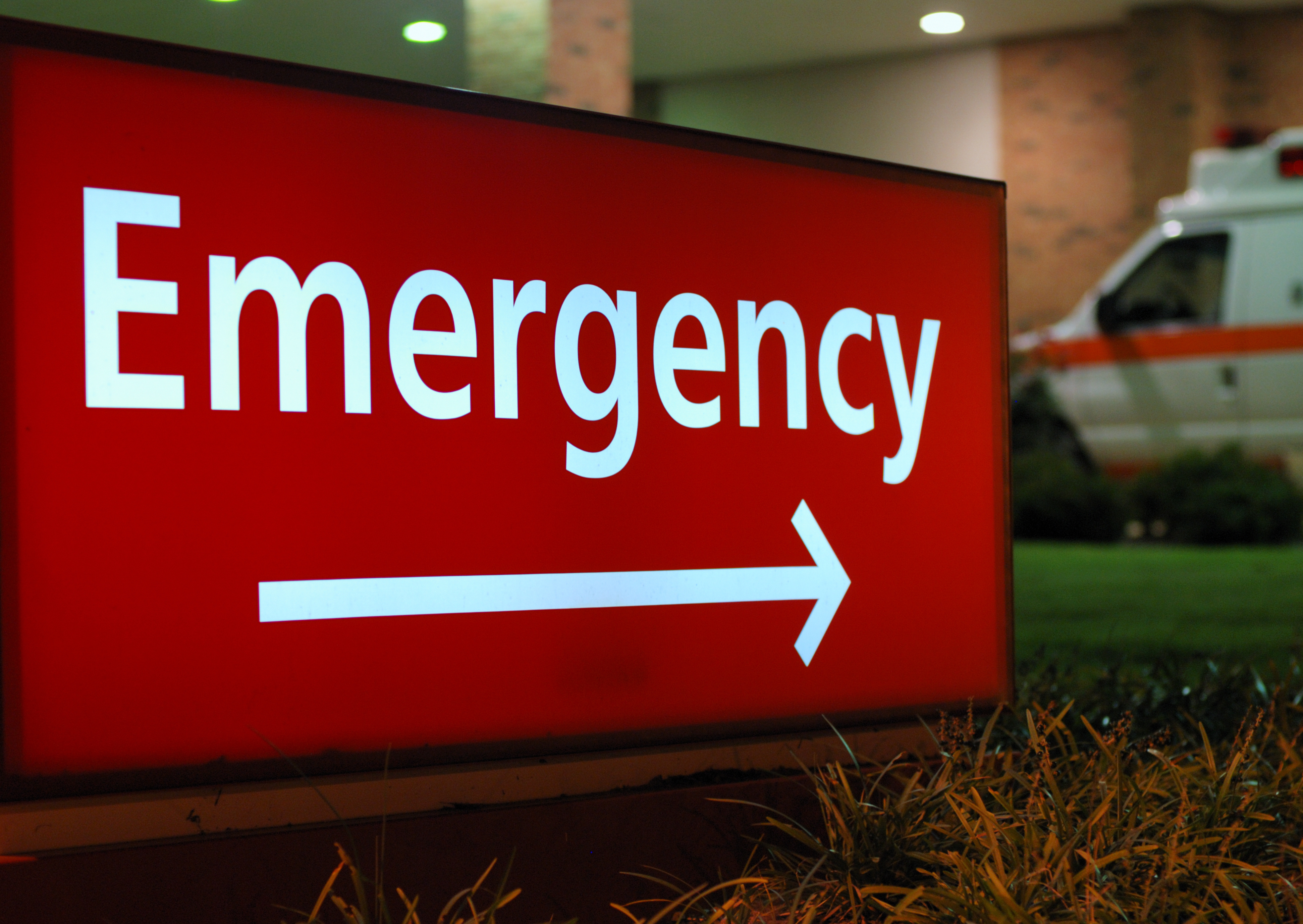
Led by Professor Derek Chew (CIA, Flinders University), this project aims to develop and use a “State-wide Learning Health System for Rapid Deployment, Evaluation and Translation of New Models of Care in SA to Reduce Pressure on Emergency Departments (ED) and Acute Care”.
This five-year project (2022-2027) adopts a whole-of-system approach to tackling the problem of acute care overcrowding – enabled by Health Translation SA (HTSA), the Commission on Excellence and Innovation in Health (CEIH), and key health system leaders. The research program involves four sub-projects:
This project is funded by the Australian Government’s Medical Research Future Fund (MRFF) as part of the MRFF – 2022 Models of Care to Improve the Efficiency and Effectiveness of Acute Care Grant Opportunity.
Project 1 is a cluster-randomised health system-level clinical trial which will implement and evaluate a model of care for chest pain assessment in the pre-hospital environment by integrating point of care high-sensitivity troponin and risk-based clinical decision support to divert low risk suspected cardiac symptom patients to hospital avoidance services.
Project Lead: Dr Kristina Lambrakis (Flinders University)
Project 2 aims to design a closed feedback loop for the General Medicine workforce to standardise clinical pathways for frequently encountered conditions and create safe cultures of feedback. This is being delivered through clinical community engagement, embedding of machine-learning (ML) based decision support coupled with continuous evaluation.
Project Lead: Dr Toby Gilbert (Northern Adelaide Local Health Network)
Project 3, The Optimising older People’s Transition from acute care Into residential aged care through Multidisciplinary Assessment and Liaison (OPTIMAL) trial, is a multi-site hybrid type II stepped wedge cluster randomised controlled trial with embedded process and economic evaluations, being conducted in selected wards across the three metropolitan local health networks in South Australia. Through evaluating the effectiveness, cost effectiveness, and feasibility, acceptability, adoption and fidelity of implementing a digitally enabled, nurse-led transitional model of care to provide systematic support for older adults being discharged from hospital to residential aged care for the first time, the project will inform service design and health funding policy change.
Project Lead: Prof Gillian Harvey (Flinders University)
Project 4 underpins the other project components and is focused on enhancing the digital architecture within the health system to support digital phenotyping of clinical conditions, embedded decision analytic models and implement measures for routine variation in care and health economic evaluation of clinical pathways and processes.
Project Lead: Tina Hardin (Commission on Excellence and Innovation in Health)
Emergency room congestion is a significant and pressing problem for hospitals and the community. When emergency departments are flooded with a high patient volume, patients experience extended wait times and compromised care.
Addressing this challenge demands significant investments in healthcare infrastructure, staffing, and resources to expand capacity and enhance patient flow. Effective solutions, such as streamlining patient flow and coordinating with primary care, require collaboration among healthcare organisations, policymakers, and stakeholders.
Through a program of health services research embedded in practice, the SA Acute Care Learning Health System Project aims to lead to more efficient and effective clinical practice, as well as better-informed health system redesign and policy reform to improve the flow and care of patients across the care continuum.
HTSA acts as an independent catalyst and broker to bring people together to address this state-wide challenge.
Specifically, HTSA played a pivotal role in ensuring clinicians, researchers, consumers, and Local Health Networks were involved in the co-design of this project and will continue to facilitate state-wide engagement and sharing of learnings. HTSA also continues to provide strategic direction and governance co-ordination support.
















Please fill this form and our team will contact you.

South Australian Health and Medical Research Institute
North Terrace
Adelaide SA 5000
PO Box 11060
Adelaide SA 5001

We acknowledge the Kaurna people as the traditional custodians of the Adelaide region, we recognise the Kaurna peoples cultural, spiritual, physical and emotional connection with their land.
We honour and pay our respects to Kaurna elders, both past and present, and all generations of Kaurna people, now and into the future.