Spotlight Series: Co-Design brought together researchers, practitioners and community partners throughout May 2024 to explore how co-design can strengthen research, promote equity and support real-world impact. Supporting researcher capability is central to Health Translation SA’s work, and this series created space to share practical insights and examples of co-design in action.
Through a four-part webinar series and curated resources, participants explored the principles, benefits and challenges of co-design, including working respectfully with First Nations communities and understanding what co-design is—and is not. This page captures the key messages, practical tips and resources shared across the Spotlight Series.
Top five co-design tips:
Co-design is a collaborative process. What can you learn from other industries or fields?
Make sure you identify what the problem the you’re trying to solve is, with the people who it affects. Ask the questions: What is? What if? What wows? What works?
Co-design aims to challenge inequitable power structures. It’s about finding the problem that matters and finding the solutions together.
Engaging with the users takes time and might lead you to a different place from where you thought you were going. Make sure you have the support and resources to allow for best practice co-design.
If conducting research with First Nations people, it is crucial to ensure it follows the key principles and best practices for co-design: First Nations leadership, culturally grounded approach, respect, benefit to community, inclusive partnerships, transparency, and evaluation.
RESOURCES
Below you will find a collection of resources that were shared on the HTSA LinkedIn page over the course of the Spotlight Series on co-design. You will also find resources that were shared as part of the presentations in the webinars. Happy reading!
General information on co-design:
Beyond Sticky Notes: view their courses, podcasts, resources and book on co-design
IDEO: learn all about design thinking
IDEOU – 10 co-design activities
Harold Nelson (author of the Design Way) – thoughts on the use of design
This is Design thinking: List of resources books and tools
Creativity-based Research: The Process of Co-Designing with Users
Metro North Health (QLD): creating better healthcare together
Books and publications on co-design:
Design thinking for the greater good: Innovation in the social sector, by Jeanne Liedtka
Design thinking as an approach for innovation in healthcare
The design way, by Harold Nelson
Books and publications on co-design with First Nations:
Key principles and best practices for co-design with first nations Australians
South Australian Aboriginal Health Accord: companion document
Lowitja Institute Tools for supporting culturally safe evaluation
Links to projects discussed on webinars:
Rebecca Farletti (Health and wellbeing Queensland) PodSquad
Fanke Peng (UniSA) Design for Dementia, Mental Health and Wellbeing Co-Design, Interventions and Policy
How HTSA can help you:
HTSA Research Translation Essentials course. Find out more here.
The Co-design webinar series covered a range of content including:


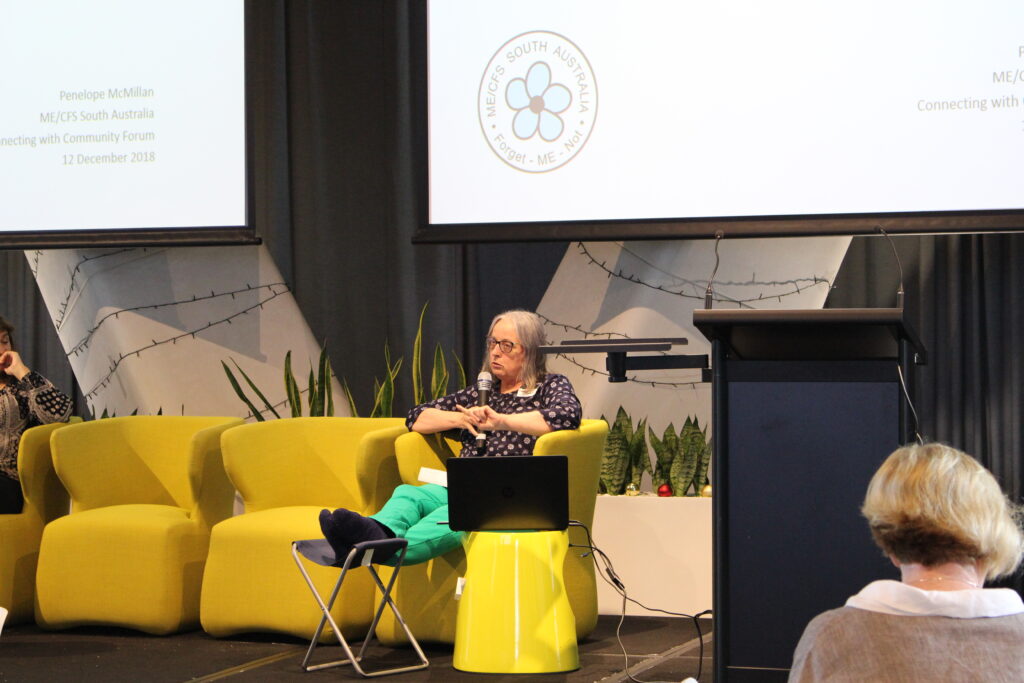
In this series, we highlighted the unique challenges and opportunities in engaging with four key groups: Older Australians, individuals with intellectual disabilities, frail or homebound people, and youth.


As a researcher, you may have identified critical gaps in understanding and clinical care. Your work has culminated in potential solutions with the capacity to yield cost savings and enhance quality of life.

South Australian Health and Medical Research Institute
North Terrace
Adelaide SA 5000
PO Box 11060
Adelaide SA 5001

We acknowledge the Kaurna people as the traditional custodians of the Adelaide region, we recognise the Kaurna peoples cultural, spiritual, physical and emotional connection with their land.
We honour and pay our respects to Kaurna elders, both past and present, and all generations of Kaurna people, now and into the future.